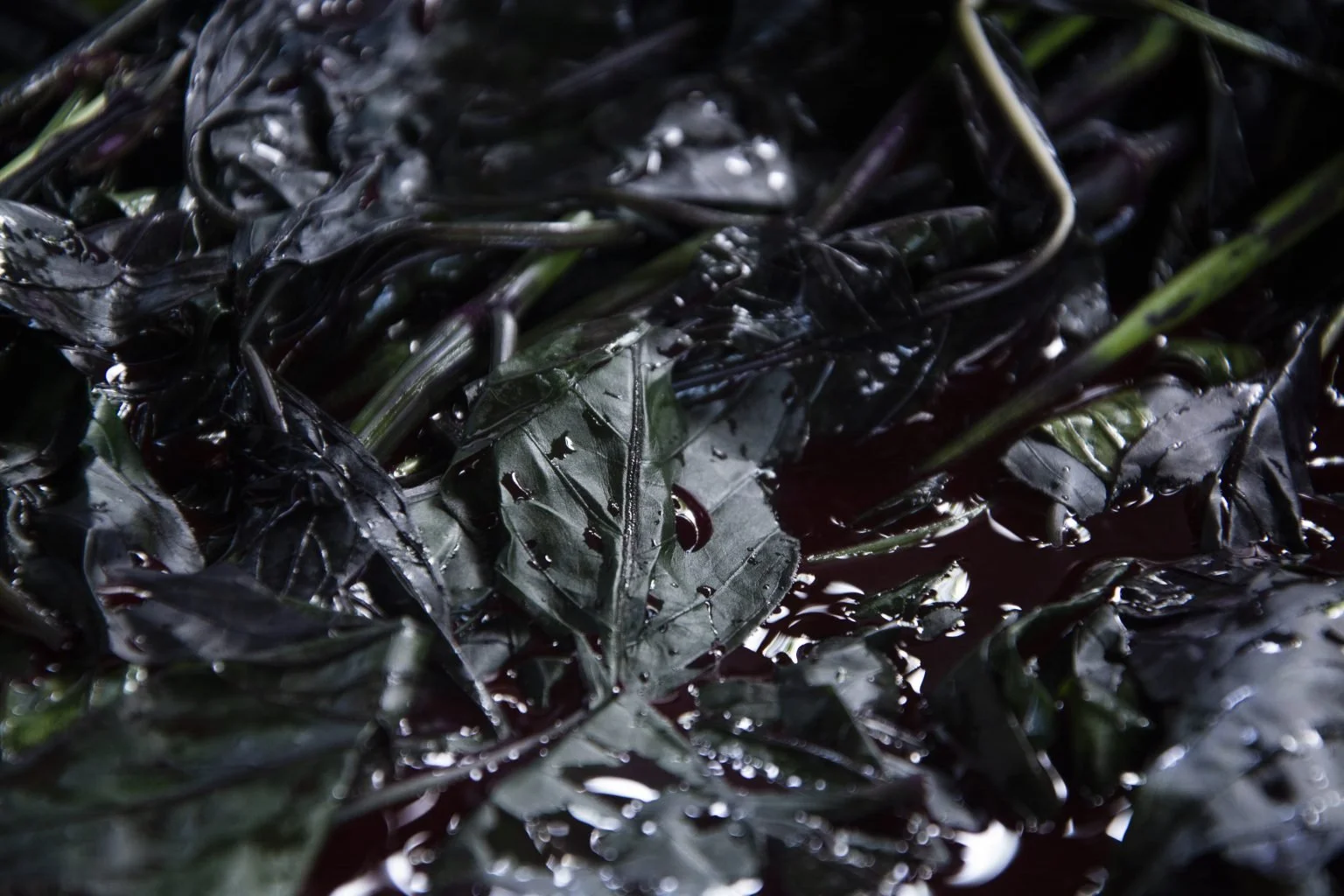
Pacific Pigments: Mangroves, Rainforests and Territory
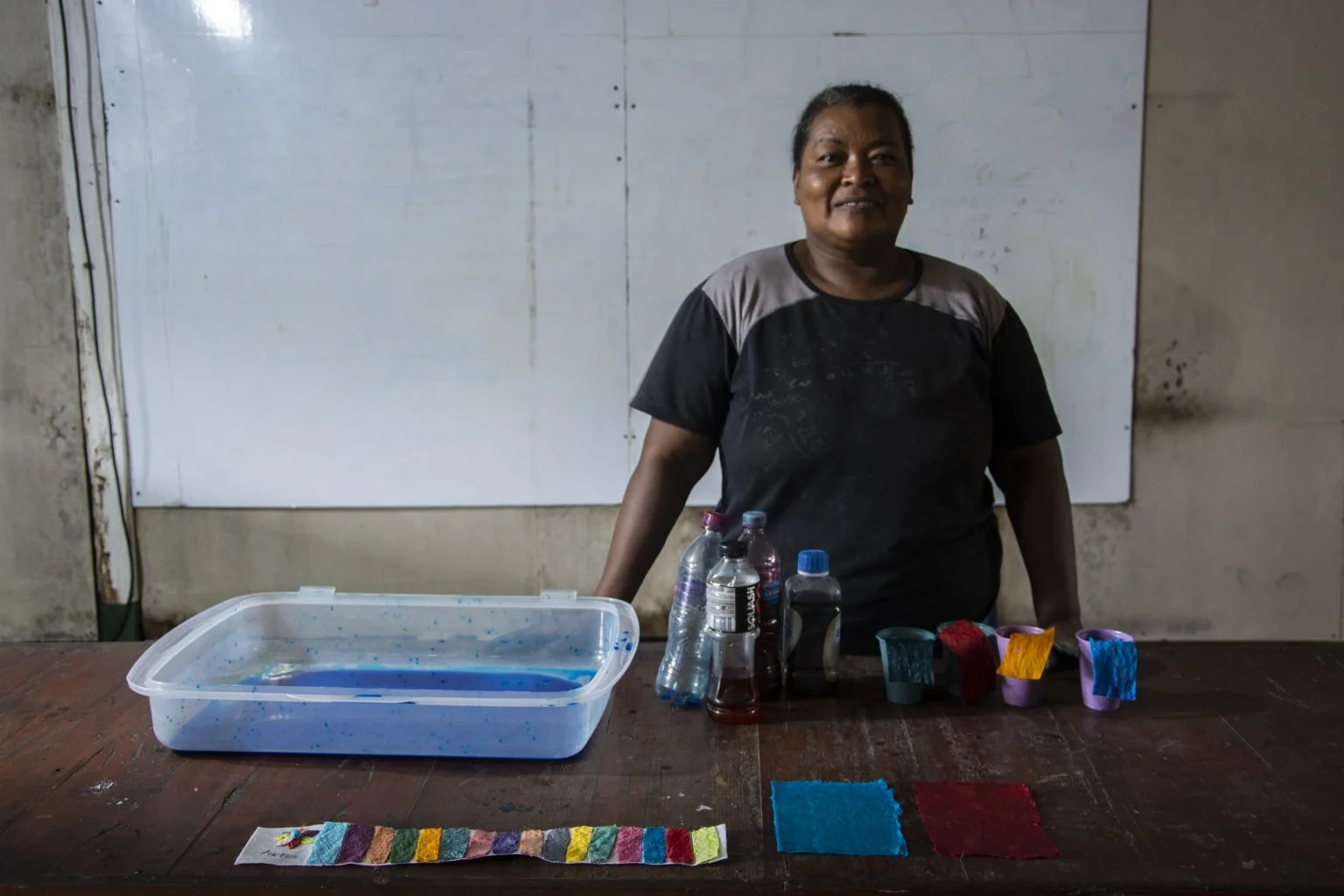
This is an intensive workshop exploring natural pigments through the lens of territory, ecology, and ancestral afrocolombian and Embera Dóbida indigenous knowledge from Colombia’s Pacific region.
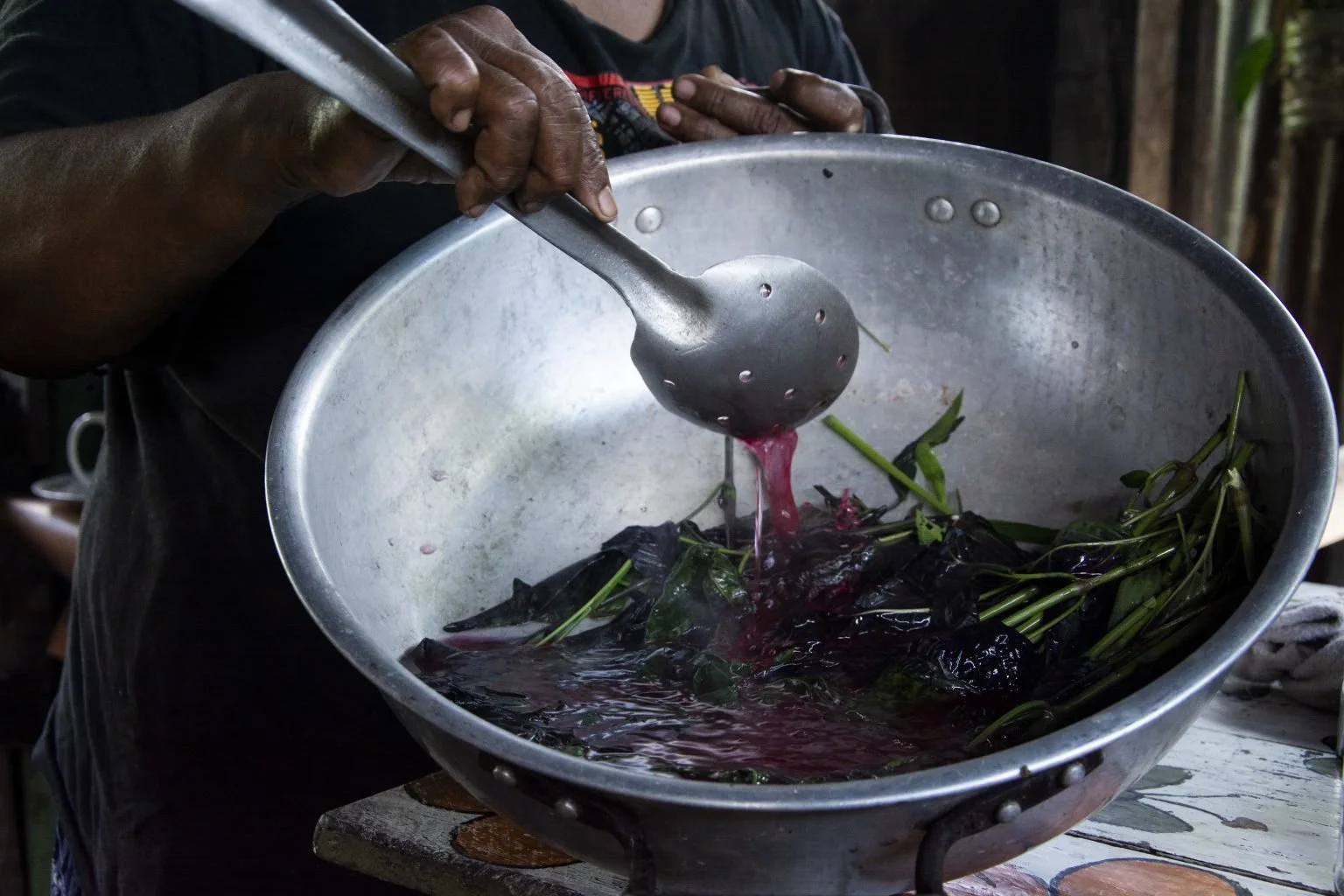
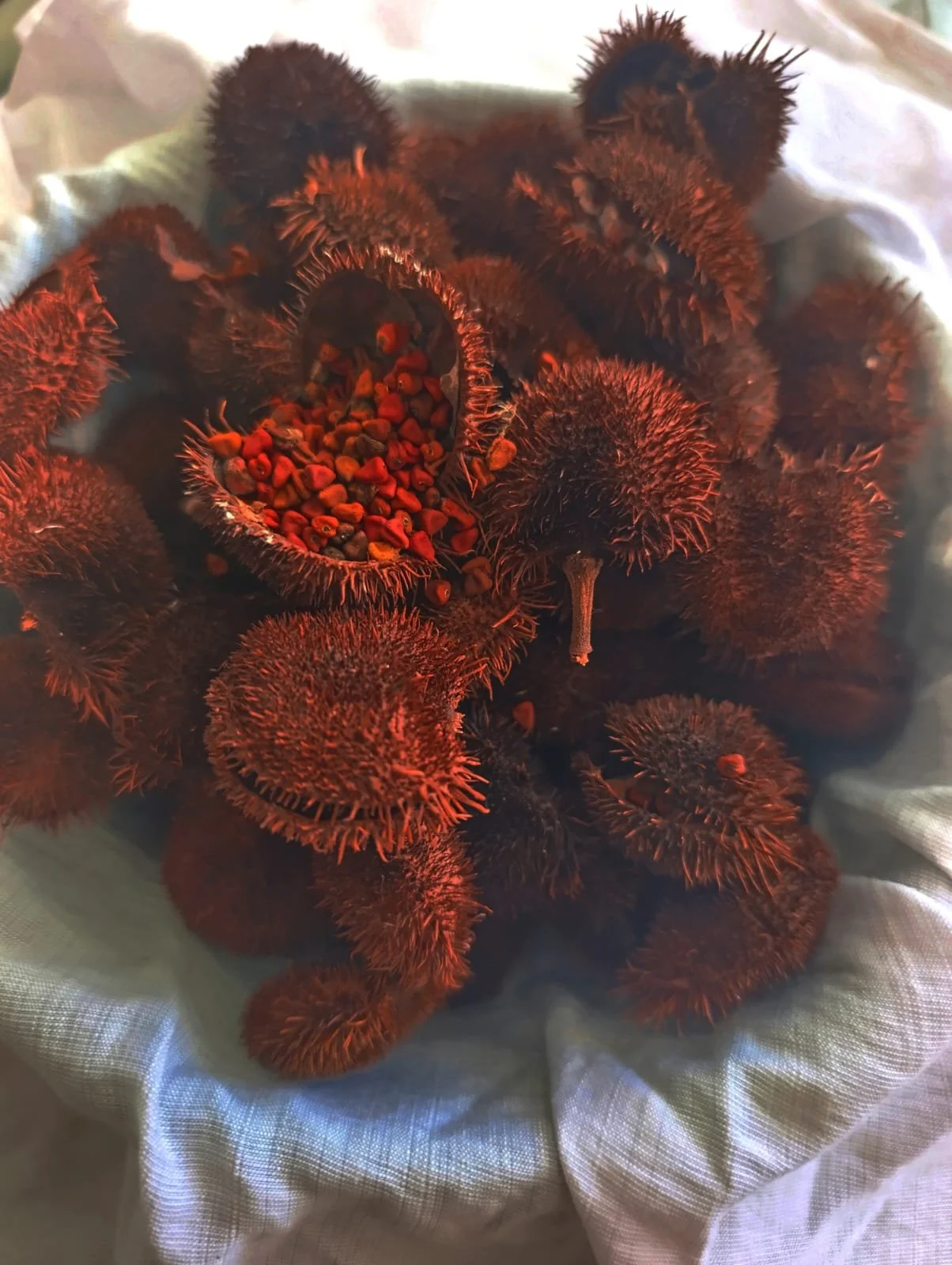
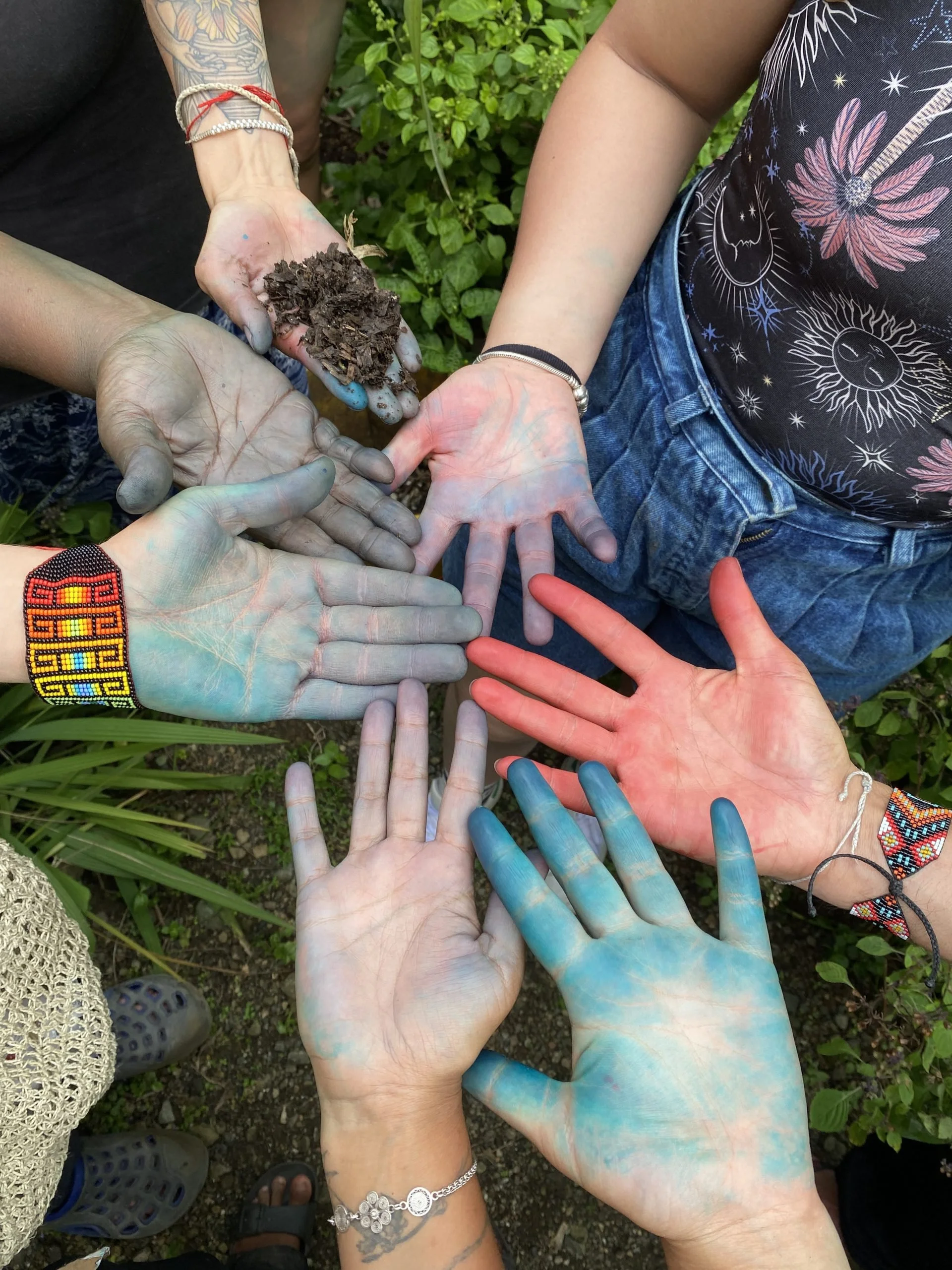
Working with species such as black mangrove, Virola or Otoba (especially Otoba parvifolia), Vismia, Pacific indigo, and annatto ( Bixa Orellana), participants engage in processes of extraction, dyeing, and preservation. The workshop approaches color as a sensory and political practice, connecting material experimentation with ecological awareness and community-based knowledge. It includes materials and a dyeing kit with samples of pigments and plant bases fabrics.
Teresita Valencia is an Afro-Colombian weaver and researcher whose practice is rooted in ancestral knowledge of natural fibers and dyes from the Golfo de Tribugá. She contributes as aremote collaborator and co-researcher. She accompanies and nourishes the research process from a distance through her knowledge, experience, and ongoing practice, maintaining a living connection to the territorial origins of these dyeing traditions.
All funds raised through this workshop will be donated to Teresita in support of her work and community.
Where:
Time:
Berlin Friedrichshain
11.00 - 15.00
Next workshops:
Language
Spanish / English
Price: